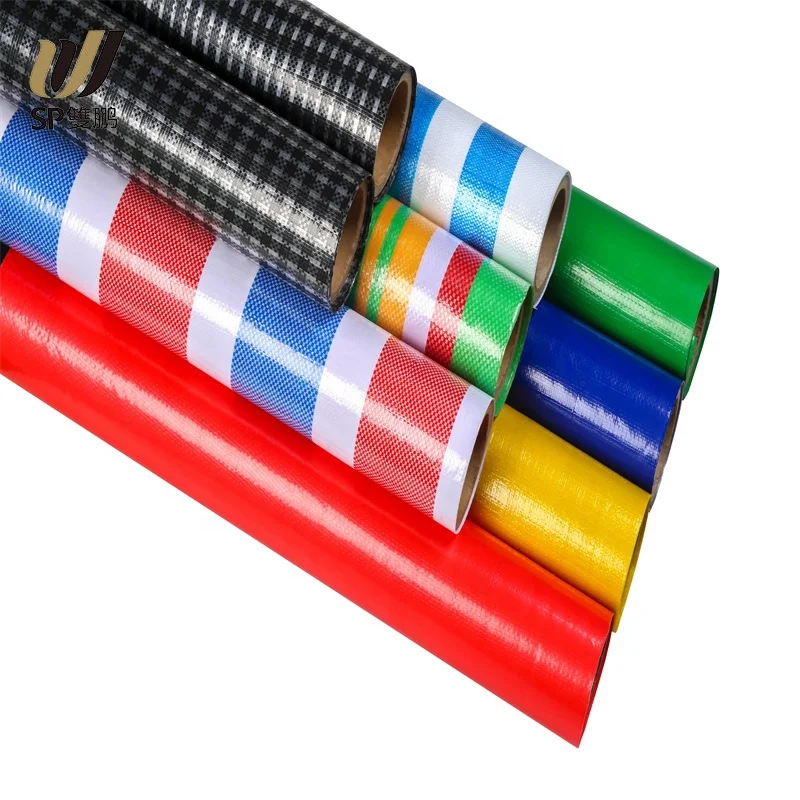
To je kľúčový proces, pretože ho používame v odvetviach ako výroba textilu, šitie odevov a iných druhov tkaniny, v ktorých sa používajú textilné materiály. Zahŕňa preplätanie vlákien – alebo nití – spoločne určitým spôsobom. Tento spôsob robenia vecí existuje už stovky – ak nie tisíce – rokov a stále ovplyvňuje naše každodenné životy. Stretneme sa s odevmi a tkaninami vo všetkých aspektoch života, od pohodlia domova po cesty, ktorými prechádzame. V tomto článku sa dozvieme viac o procese preplätania tkaniny, ako funguje umenie a prečo je to taká krásna tradícia.
Tkanie plátna nie je také jednoduché, ako sa zdá; je to opatrný a dovedný proces. Na vytvorenie tkaniny musia tkalci vedieť ovládať nástroj nazývaný stavec, ktorý im umožňuje vyrábajú unikátne vlastnosti v dizajne. Niektoré z bežných typov stavcov zahŕňajú rukotkací stavec a motorkový stavec. Práca na rukotkacom staveci je časovo náročná, ale je to jediný spôsob, ako dosiahnuť podrobnejšie a zložitejšie vzory. Avšak motorkové stavce môžu tkať oveľa rýchlejšie a toto je ideálne pri výrobe veľkého množstva tkaniny.
Vykonávači používajú rôzne druhy vlákien na výrobu svojich textilií. Príklady vlákien sú bavlna, vlna, hedvábko a len. Tieto sa prevája do nít a nity sa plejú spolu do konečnej látky. Rôzne typy majú špeciálne vlastnosti – pevnosť, dotyk a farbu. V procese výroby látky musí výkonník zvážiť rôzne kvality, aby vytvoril látku, ktorá je krásna aj funkčná.
Keďže história tkania plátna sa rozteka po tisíce rokov, začínajúc s jednoduchými stavy, je to tak zábavné na učenie! Nájdené bolo 7-tisícročné bavlnené plátno v Indii! To znamená, že ľudia barvili vlákna už veľmi, veľmi dlho! Len je najbežnejšou tkaninou starovekej Egypta. Len bol pre Egypčanov tak dôležitou tkaninou, že ich dokonca faraony boli obalení v nej pri svojej smrti! Vlna sa stala najpopulárnejšou tkaninou v Európe počas stredoveku. Nosilo ju bohatstvo aj chudoba a všetko medzi nimi.

V mnohých afrických kulturách predstavuje plátno špeciálny symbol v životných etapách, často nazývaných rituálmi prechodu. Takže napríklad, keď dievča má prvú mesiacovku, bude nosiť špeciálny obliek, aby verejne oznámilo, že sa stala ženou. Plátno sa tiež používa v mnohých kulturách na vyjadrenie emocie alebo na pránosť príbehu. Podobne ako niektoré africké kmene používajú farebné tlače na svojich látkach na posielanie správ jednému druhému. Rôzne vzory môžu vyprávať rôzne príbehy/idey, takže plátno môže byť mocným výrazným médium.
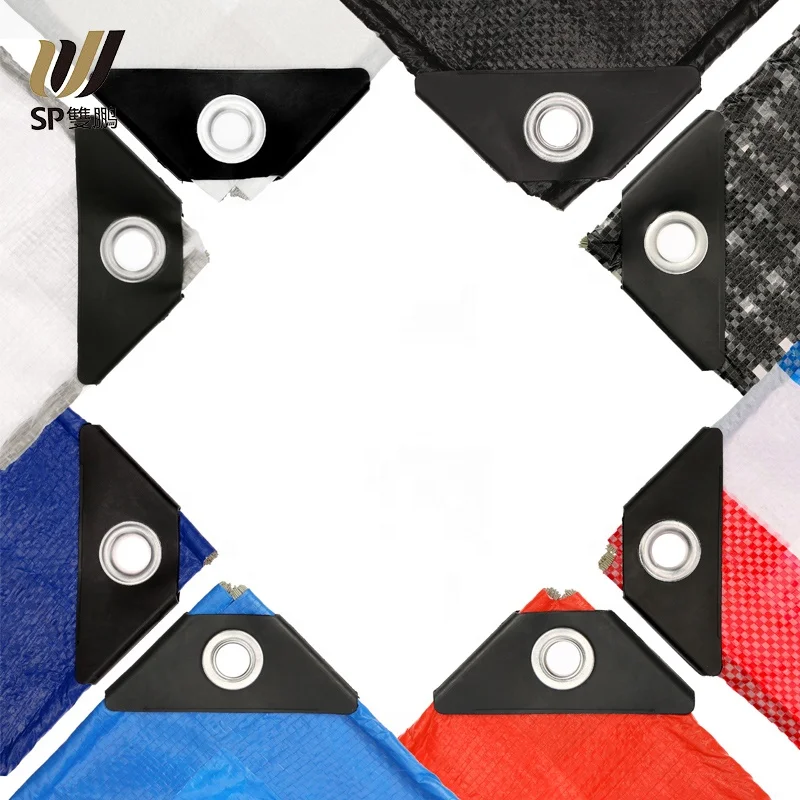
Trelis' väčší motív „Stylovanie Potrebností“ tiež podporuje potrebu šíriť slovo o tom, ako sa na svete zvyšuje počet ľudí, ktorí začínajú oceniť rukovo vyrábane textilie. Oceňujú ťažku a čas, ktoré sú zapojené do vytvárania tkaniny ručne. Rukovo vyrobené textilie sú jedinečné a obvykle majú svoje vlastné unikátne príbehy. No keď zakúpite rukovo vyrobenú tkaninu, prispejete k podpore miestnych tkachi a pomáhate udržiavať túto úžasnú tradíciu živou - nekupujete len predmet.
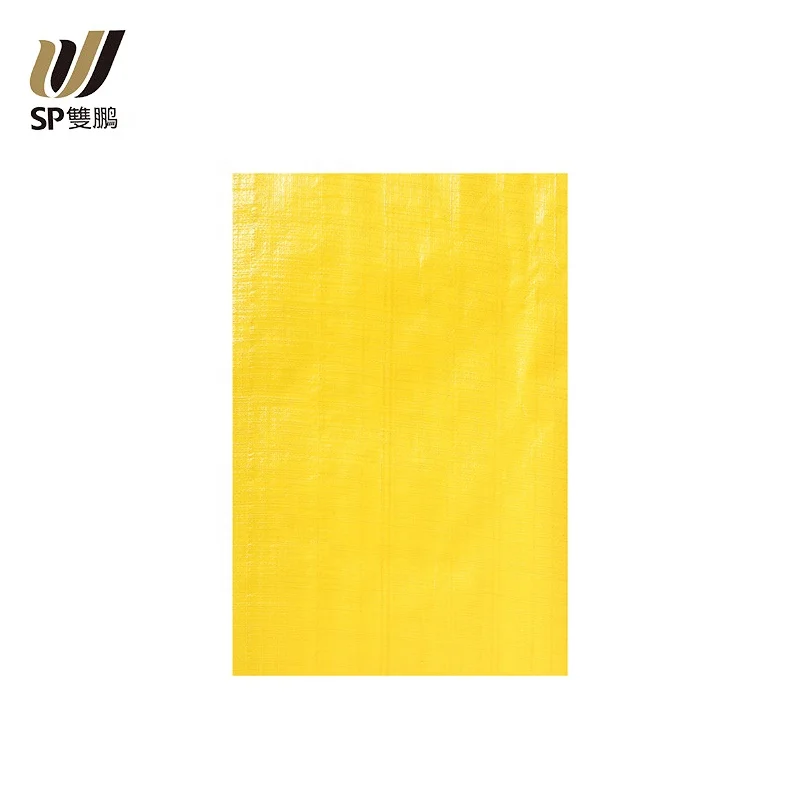
Ako dôkaz z tejto kampane naznačuje, SHUANGPENG rozpoznáva a hodnotí kľúčovú úlohu, ktorú hrajú rukovo vyrábane textilie nie len pre ich tkachov, ale aj pre komunity, z ktorých tieto kusy pôvodzvu. Preto spolupracujeme s miestnymi tkachi v rozvojových krajinách, aby sme ich krásne tkaniny priniesli na celý svet. Sme zameraní na podporu spravodlivého obchodu a pomoc vitalite miestnych komunit. Tradičné techniky, moderné dizajny; Je to stará história.
po predaji: Naša záväznosť voči spokojnosti zákazníkov sa prejavuje v našom trvalom výskume a vývoji. Náš vyhradený výskumný a vývojový tím aktívne vypočúva spätnú väzbu od zákazníkov a integruje ju do zlepšovania a inovovania našich plastových textilných výrobkov. Investujeme do najnovších technológií, aby sme zvýšili výkon, trvanlivosť a udržateľnosť. Pravidelné aktualizácie zabezpečujú, že naše ponuky sa neustále zlepšujú z hľadiska výkonu a účinnosti. Usilujeme sa o vytvorenie dlhodobých vzťahov prostredníctvom riešení, ktoré presahujú očakávania našich zákazníkov. Toto je látka utkaná našou oddanosťou poskytovaniu vynikajúcich služieb po predaji a neustálej optimalizácii.
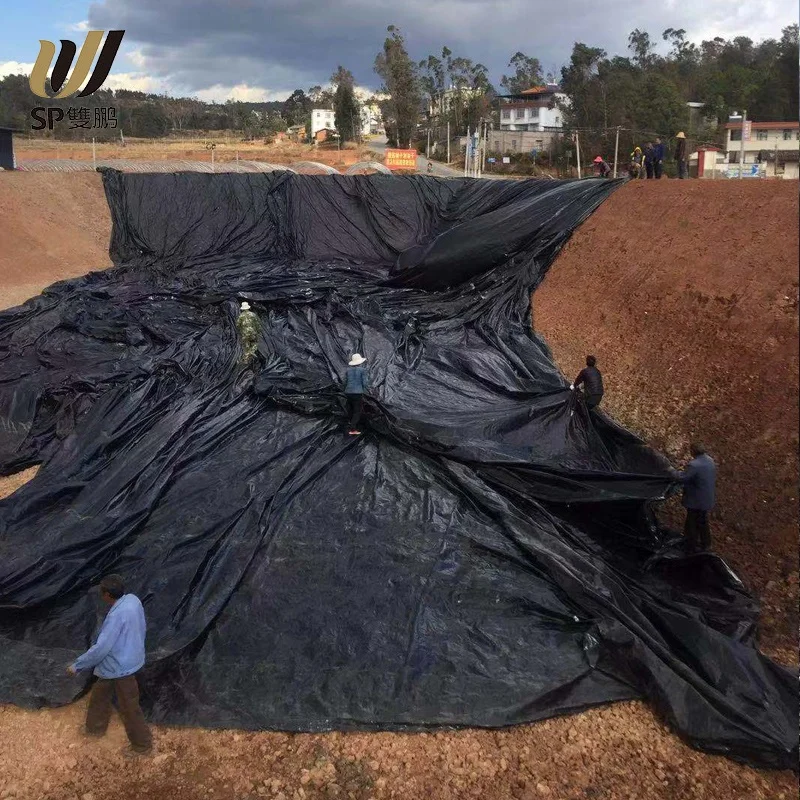
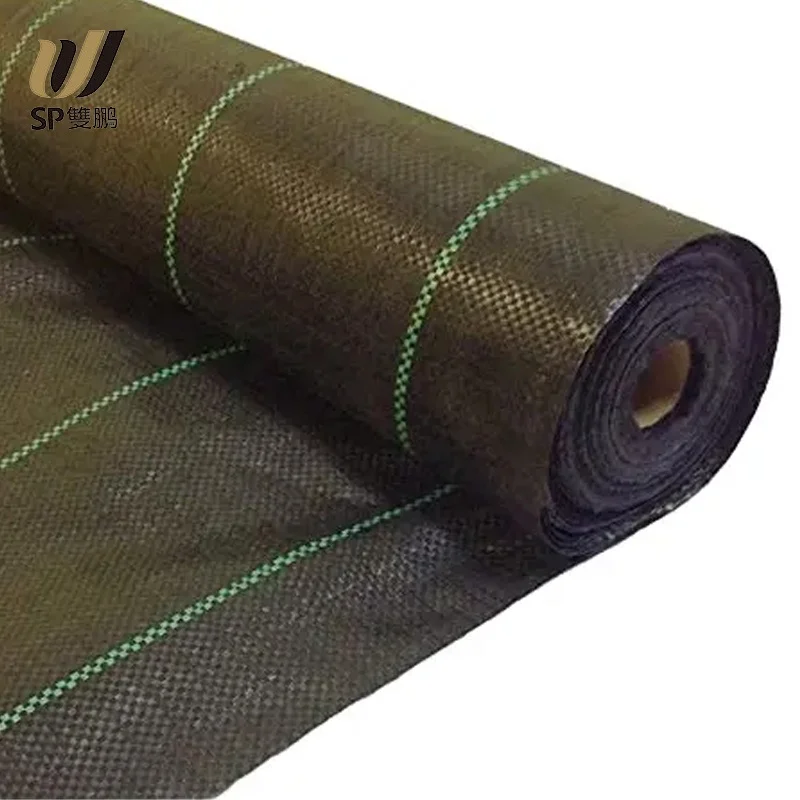
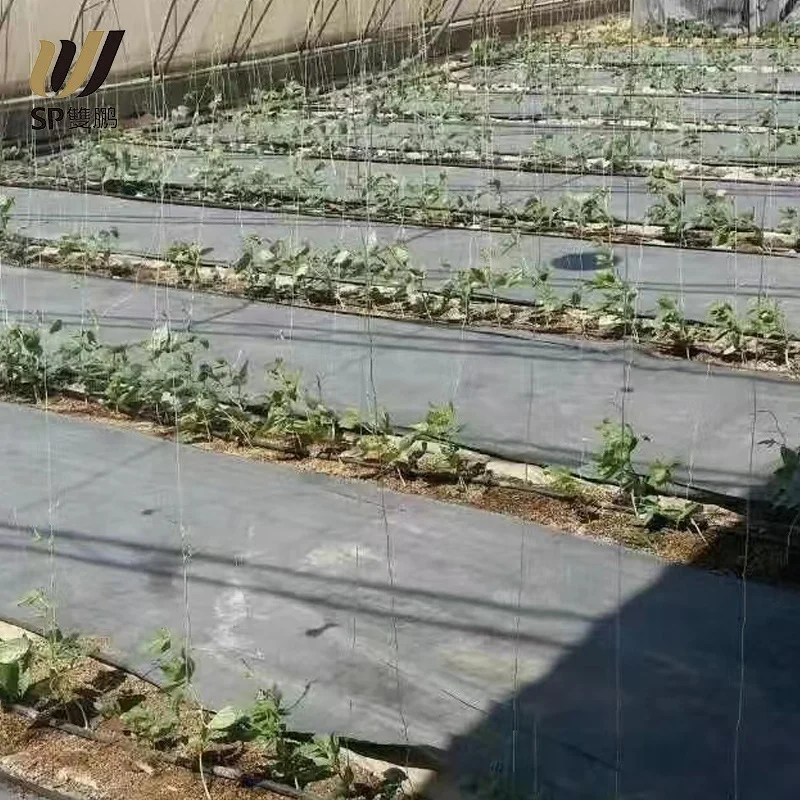
tkané techniky tkania látky nám umožnili vytvoriť plastové tkané látky s nezvyčajnou pevnosťou a pružnosťou. Sú odolné voči opotrebovaniu, trhnutiu a poveternostným vplyvom a dlhodobo vydržia za všetkých podmienok. Látky sú ľahké, pevné a poskytujú vynikajúci výkon. Ich vodotesné a dýchací charakter im umožňuje použitie v rôznych aplikáciách – od obalov až po krycie plátna. Záväzok voči udržateľnosti sa prejavuje aj možnosťou recyklácie týchto látok, čo podporuje environmentálnu zodpovednosť. Látky je možné prispôsobiť podľa požiadaviek klientov, čím sa zvyšuje ich flexibilita v rôznych odvetviach priemyslu.
tkaninová spoločnosť SHUANGPENG sa vyznačuje svojou históriou výnimočnosti a inovácií. Náš personál je vybavený najnovšími technológiami, čo zabezpečuje trvanlivosť našich výrobkov a ich vysokú účinnosť. Naša oddanosť udržateľnosti sa prejavuje v ekologických postupoch a recyklovanom charaktere našich látok. Špecializujeme sa na prispôsobenie riešení podľa potrieb našich zákazníkov, či už ide o spotrebné alebo priemyselné výrobky. Podporujú nás medzinárodný dodávateľský reťazec a efektívna logistika, čo nám umožňuje dodávať v dohodnutých termínoch a poskytovať vynikajúcu zákaznícku obsluhu.
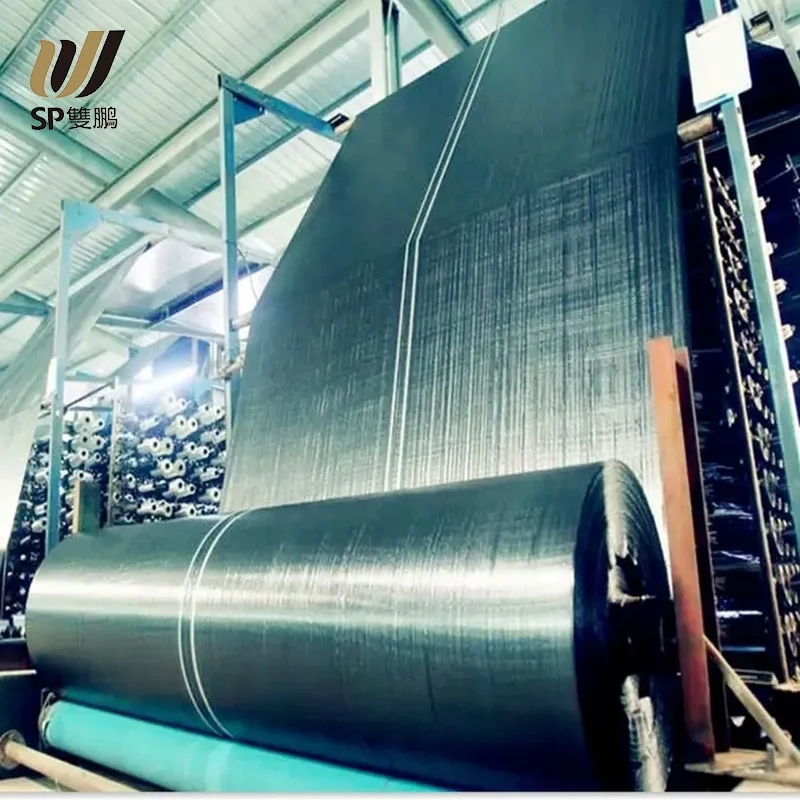
plátno tkané pomocou pokročilých výrobných zariadení, pričom sme postavili veľké výrobné závody a prijali najpokročilejšie metódy, prekonali všetky ťažkosti, s ktorými sme sa stretli, a vytvorili spoľahlivý automatický systém. Skupina SHUANGPENG zaviedla vlastný systém kontroly kvality, ako aj komplexný monitorovací systém na sledovanie kvality s využitím rôznych detekčných nástrojov. Naším cieľom je zvýšiť kvalitu výrobkov a výrazne zvýšiť efektívnosť výroby. V súčasnosti patrí naša výrobná kapacita a výstupná kapacita medzi najlepšie v našom odvetví. Spoločnosť SHUANGPENG získala medzinárodné certifikáty ISO pre systém kvality a certifikát EÚ CE. Spoločnosť disponuje silnou výskumnou a vývojovou kapacitou a inovačným potenciálom. Naša presvedčenosť je vyrábať výrobky vysokej kvality a dodávať ich zákazníkom za konkurencieschopné, nie za najnižšie možné ceny. Kvalita má v spoločnosti neprekonateľné postavenie, aj keď sa v praxi vyrábajú výrobky v rámci hromadnej výroby.
 EN
EN